Category Archives: religion

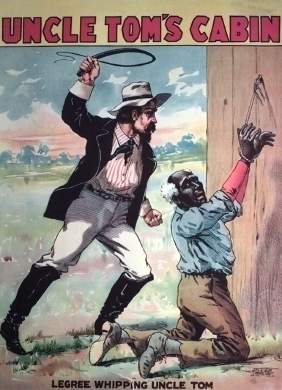
Can reading a novel change the world?

‘It was through books that I first realised there were other worlds beyond my own; first imagined what it might be like to be another person,’ wrote novelist Julian Barnes in a recent Guardian essay. It’s an enticing thought that reading fiction might help us escape the straitjacket of our egos and expand our moral [...]

Also posted in art, belief, empathy, empathy through education, empathy through experience, ethics, family, history, literature, love, philosophy | 2 Comments

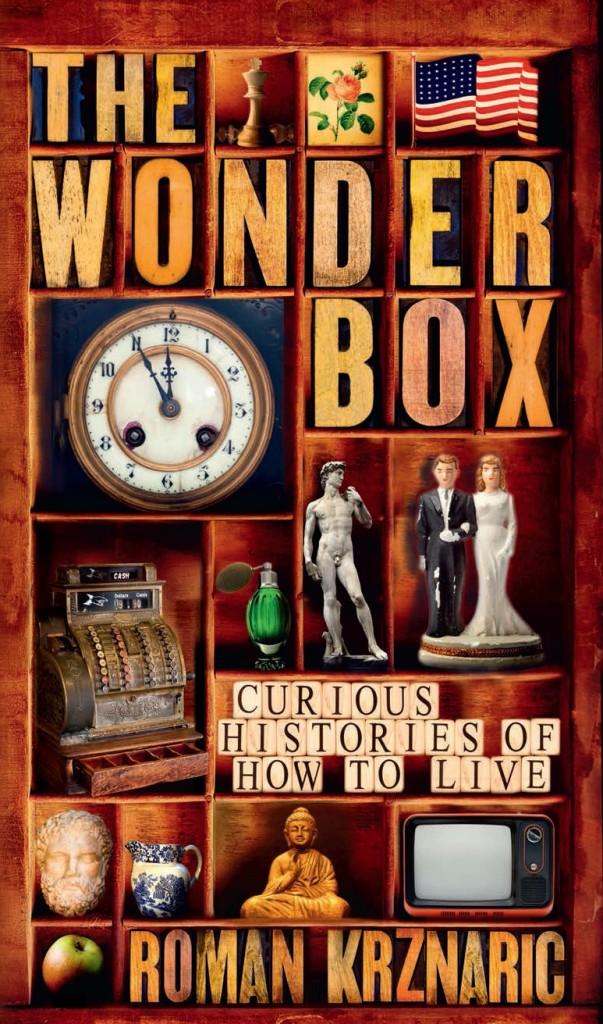
New Book! THE WONDERBOX by Roman Krznaric

My new book, THE WONDERBOX: CURIOUS HISTORIES OF HOW TO LIVE (Profile Books), will be in bookshops from December 22 –  just in time for a last-minute Christmas stocking filler. It’s about what the last three thousand years of human history can tell us about better living, and explores twelve universal topics, from work and love to [...]

Also posted in climate change, empathy through collaboration, empathy through conversation, empathy through education, empathy through experience, ethics, general, history, nature, philosophy, travel | 2 Comments

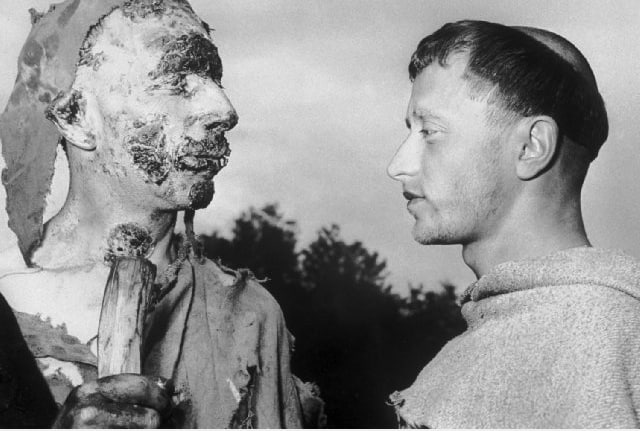
The radical origins of compassion

So you think compassion means being nice to people? Sure, its Latin root literally means ‘to suffer with another’, which is pretty close to the psychological concept of ‘affective empathy’, where you share in or mirror someone else’s emotional state. When I feel your pain or suffering, I may well do something to help you [...]

Also posted in art, empathy through experience, ethics, film, history | 1 Comment

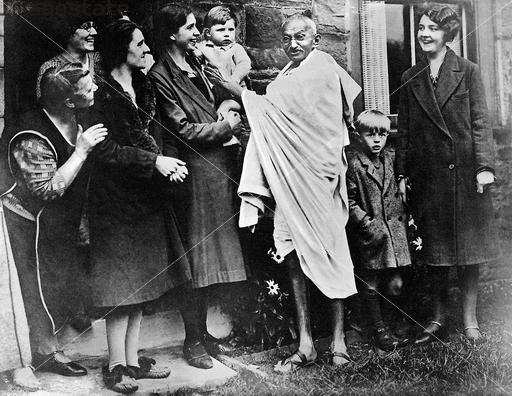
How to be a Muslim, a Hindu, a Christian and a Jew

There is an intriguing thesis at the heart of Steven Pinker’s new book, The Better Angels of Our Nature. The Harvard psychologist argues – contrary to popular opinion – that humankind has become progressively less violent over the past few thousand years. We might feel surrounded by terrorism, civil wars and gun crime today, but [...]

Also posted in empathy through conversation, empathy through experience, ethics, history, peace building, philosophy, politics | 2 Comments

What a philosopher, certified insane, thinks about his doctors

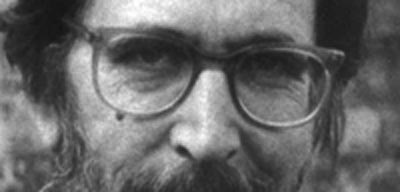
I live around the corner from one of the world’s most remarkable streets, Cowley Road in Oxford. It’s a hive of different cultures – Bangladeshi, Moroccan, Chinese, Ukranian – and has a vibrancy that cannot be found in the cobbled medieval lanes of the city centre. It has even been the subject of a fabulous book, Isolarion: A Different Oxford Journey, by James Attlee, in which the author wanders up Cowley Road philosophising about the sex shops and curry houses. But if there is one thing that makes Colwey Road truly remarkable, it is Alan Human.

Also posted in empathy through conversation, interviews, mental health, philosophy | 2 Comments

Who was the greatest Victorian traveller? A fish collector

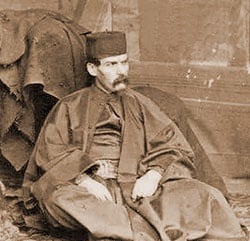
Who was the greatest traveller of the Victorian era? Amongst the usual top contenders you will find the name of Sir Richard Francis Burton. Best known for translating The Thousand and One Nights from Arabic and for visiting Mecca in 1853 disguised as a Muslim pilgrim, Burton wandered for years throughout the Middle East, Far East and Africa. He had an extraordinary talent for languages – he could speak twenty-nine of them – and was a master of assimilating himself into local cultures. Just after his death in 1890 he was described as ‘a Mohammedan among Mohammedans, a Mormon among Mormons, a Sufi among the Shazlis, and a Catholic among the Catholics.’

Also posted in empathy through experience, history, politics, travel | 1 Comment

Ian McEwan on Love, Empathy and 9/11

Anybody who reads novels is a secret empathist. Most writers of fiction try to take you on a journey into the minds and lives of their characters, introducing you to worldviews that are not your own, filling your head with the voices of strangers. An instance from the history of empathetic literature is Virginia Woolf’s The Waves (1931), a story told from the perspective of five individuals, with all the dialogue and action being submerged in their thoughts. When we read books like The Waves, we are inevitably drawn to make the imaginative leap that is empathy.

I think novelists, who spend so much time attempting to understand the mental worlds of their protagonists, have a peculiar ability to appreciate the meaning and significance of empathy. One of the best examples of this is an article that Ian McEwan wrote in The Guardian, published just a few days after the September 11 attacks. It is, in effect, a meditation on empathy. ‘Imagining what it is like to be someone other than yourself is at the core of our humanity,’ he writes. ‘It is the essence of compassion, and it is the beginning of morality.‘ Here is the article in full.

Also posted in literature, politics | Leave a comment

Should you empathise with your father's killer?

One of the greatest challenges of leading an empathetic life is trying to step into the shoes of people who we consider to be ‘enemies’ or whose views and values are very different from our own. If you’re on the receiving end of a racist comment from someone at the pub or a torrent of unfair verbal abuse from your boss, the idea of trying to empathise with them would probably be the last thing on your mind. If you came face to face with the person who had recently burgled your house, could you overcome your anger to see the crime from their perspective, and understand the circumstances that may have driven them to it?

Empathising in such instances might seem like wishful thinking. But consider the case of Jo Berry. In 1984 her father, Conservative MP Sir Anthony Berry, was killed by an IRA bomb at the Party Conference in Brighton. In 1999, one of the IRA members responsible, Pat Magee, was released from prison under the terms of the Good Friday Agreement. Jo’s response was a desire to meet him.

Also posted in empathy through conversation, interviews, peace building, politics, public policy | 5 Comments

You are, therefore I am

A recent report by Human Rights Watch has highlighted the persecution in Vietnam of followers of the Zen Buddhist monk and peace activist Thich Nhat Hanh. Now in his eighties and author of books that have sold over a million copies, Thich Nhat Hanh is known as one of the founders of ‘engaged Buddhism’, which [...]

Posted in religion | 3 Comments
  • Welcome to OUTROSPECTION, my blog on empathy and the art of living. You'll find articles, interviews and news on the fundamental questions of how to live, with an emphasis on outrospection, which is about discovering who we are by stepping outside ourselves and exploring the lives of other people and cultures.

  • Current highlights

    Front cover of 'The Wonderbox' by Roman KrznaricFront cover of 'How to Find Fulfilling Work' by Roman Krznaric
     

  •  
  • New Outrospection blog articles

  • Sign up to receive weekly email notification of new postings.

  • Upcoming events and talks

  • Topics

  • Archives

  • Meta